






DDD Blog
Our thoughts and insights on machine learning and artificial intelligence applications
Welcome to Digital Divide Data’s (DDD) blog, fully dedicated to Machine Learning trends and resources, new data technologies, data training experiences, and the latest news in the areas of Deep Learning, Optical Character Recognition, Computer Vision, Natural Learning Processing, and more.
For Artificial Intelligence (AI) professionals, adding the latest machine learning blog or two to your reading list will help you get updates on industry news and trends.
Get early access to our blogs

Comparing Prompt Engineering vs. Fine-Tuning for Gen AI
This article explores the advantages and limitations of Prompt Engineering vs. Fine-Tuning for Gen AI, offering practical guidance on when to apply each approach and how organizations can combine them for scalable, reliable outcomes.

Role of SLAM (Simultaneous Localization and Mapping) in Autonomous Vehicles (AVs)
Learn Simultaneous Localization and Mapping (SLAM )'s central role in autonomous vehicles, highlighting key developments, identifying critical challenges, and outlining future directions.

Mastering Multimodal Data Collection for Generative AI
Learn the foundations, challenges, and best practices of multimodal data collection for generative AI, covering how to source, align, curate, and continuously refine diverse datasets to build more capable and context-aware AI systems.

How Data Labeling and Real‑World Testing Build Autonomous Vehicle Intelligence
This article outlines how data labeling and real-world testing complement each other in the Autonomous Vehicle development lifecycle.

Why Quality Data is Still Critical for Generative AI Models
Learn why quality data remains the driving force behind generative AI models and outlines strategies to ensure that data is accurate, diverse, and aligned throughout the development lifecycle.

Building Digital Twins for Autonomous Vehicles: Architecture, Workflows, and Challenges
Explore how digital twins are transforming the testing and validation of autonomous systems, examine their core architectures and workflows, and highlight the key challenges.
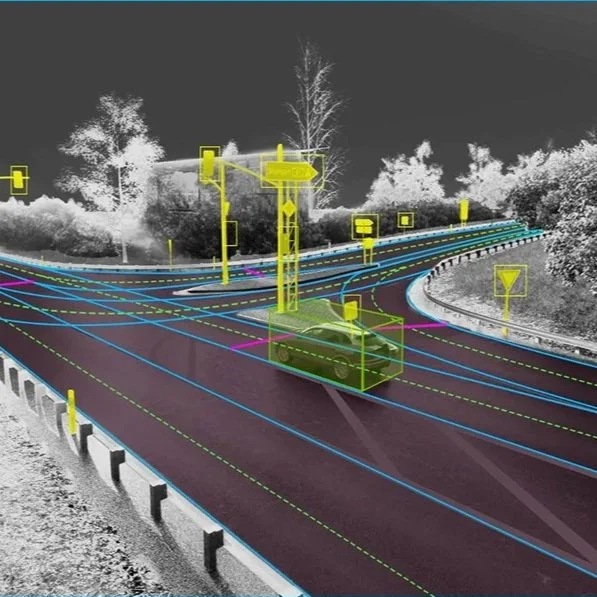
Multi-Label Image Classification Challenges and Techniques
This blog explores multi-label image classification, focusing on key challenges, major techniques, and real-world applications.

2D vs 3D Keypoint Detection: Detailed Comparison
Let’s discuss the key differences between 2D and 3D keypoint detection, highlighting their advantages, limitations, and practical applications.

Mitigation Strategies for Bias in Facial Recognition Systems for Computer Vision
This article discusses bias and fairness in facial recognition systems for computer vision. It outlines the different types of bias that affect these models, explains why facial recognition is uniquely susceptible, and highlights recent innovations in mitigation strategies.

Guide to Data-Centric AI Development for Defense
In this article, we discuss why a data-centric approach is critical for defense AI, how it contrasts with traditional model-centric development, and explore recommendations for shaping the future of mission-ready intelligence systems.

Autonomous Fleet Management for Autonomy: Challenges, Strategies, and Use Cases
Explore the current landscape of autonomous fleet management, highlighting the core challenges, strategic approaches, and real-world implementations shaping the future of mobility.

Building Robust Safety Evaluation Pipelines for GenAI
Learn how to build robust safety evaluation pipelines for Gen AI. Examines the key dimensions of safety, and infrastructure supporting them, and the strategic choices you must make to align safety with performance, innovation, and accountability.

Managing Multilingual Data Annotation Training: Data Quality, Diversity, and Localization
This article explores why multilingual data annotation is uniquely challenging, outlines the key dimensions that define its quality and value, and presents scalable strategies to build reliable annotation pipelines.

Understanding Semantic Segmentation: Key Challenges, Techniques, and Real-World Applications
Learn semantic segmentation in detail, focusing on the most pressing challenges, the latest advancements in techniques and architectures, and the real-world use cases where these systems have the most impact.

Integrating AI with Geospatial Data for Autonomous Defense Systems: Trends, Applications, and Global Perspectives
Understand how AI and geospatial data are being used for autonomous defense systems. It examines the core technologies involved, the types of autonomous platforms in use, and the practical applications on the ground. It also addresses the ethical, technical, and strategic challenges that must be navigated as this powerful integration reshapes military operations worldwide.
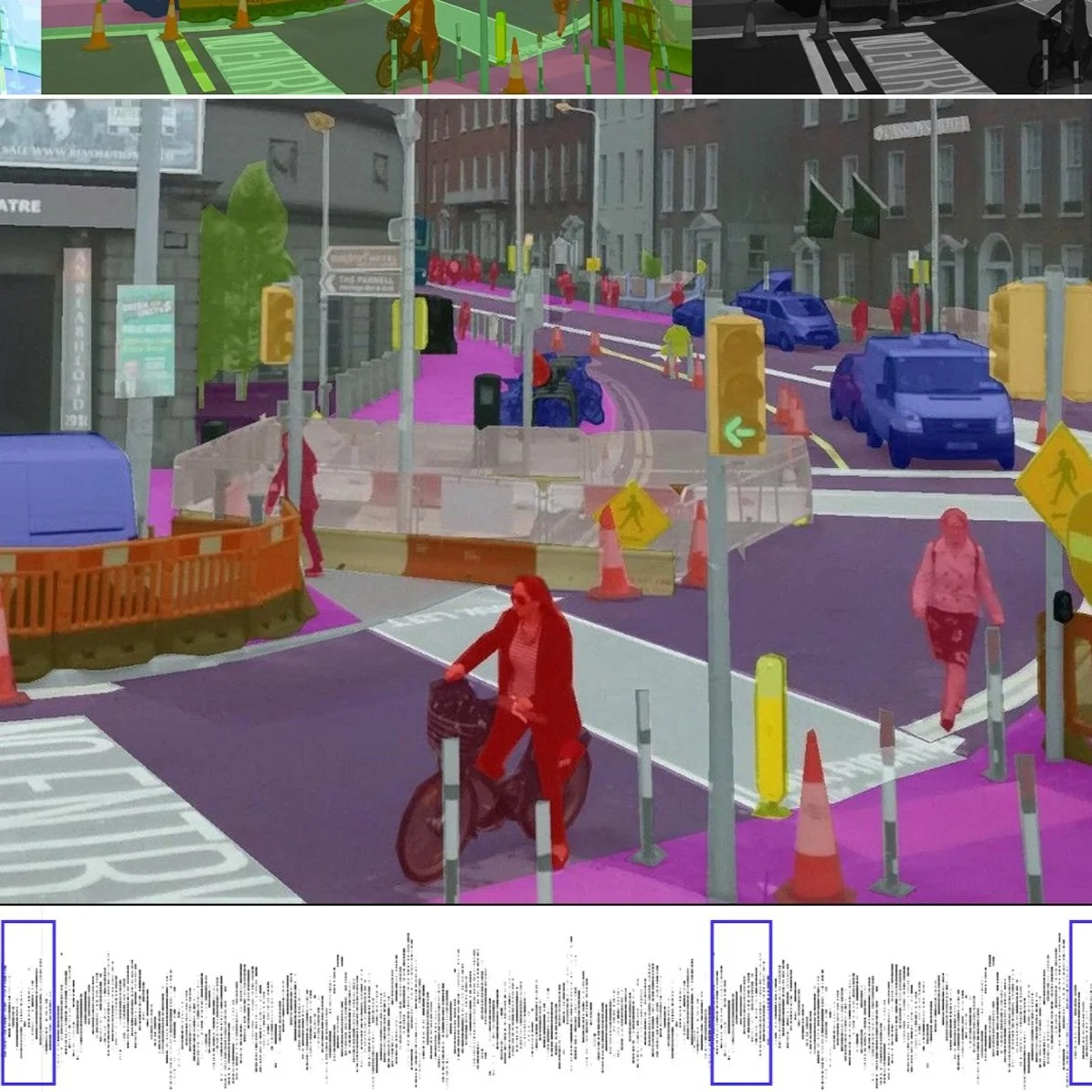
Multi-Modal Data Annotation for Autonomous Perception: Synchronizing LiDAR, RADAR, and Camera Inputs
Let’s discuss multi-modal data annotation for autonomy, focusing on the synchronization of LiDAR, RADAR, and camera inputs. Practical techniques for fusing and labeling data at scale highlight real-world applications, fusion frameworks, and annotation best practices.

Synthetic Data for Computer Vision Training: How and When to Use It
This guide will explore synthetic data for computer vision, including its creation, application, and the strengths and limitations it presents. We will also examine how synthetic data is transforming the landscape of computer vision training using real-world use cases.

Real-World Use Cases of Computer Vision in Retail and E-Commerce
This guide explores the most impactful and innovative use cases of computer vision in retail and e-commerce environments. Drawing from recent research and real-world deployments, it highlights how companies are leveraging computer vision AI technologies.

Major Challenges in Scaling Autonomous Fleet Operations
This blog explores the systemic, operational, and technological challenges in scaling autonomous fleet operations from limited pilots to full-scale deployment, and outlines the best practices and emerging solutions that can enable scalable, reliable, and safe autonomy in real-world environments.

Evaluating Gen AI Models for Accuracy, Safety, and Fairness
This article explores a comprehensive framework for evaluating generative AI models by focusing on three critical dimensions: accuracy, safety, and fairness, and outlines practical strategies, tools, and best practices to help organizations implement responsible, multi-dimensional assessment at scale.
Sign up for our blog today!